Monday 27 July 2026
Nina Gunde-Cimermann
University of Ljubljana, Department of Biology, Slovenia
Nina Gunde-Cimerman is Professor of Microbiology at the University of Ljubljana, Slovenia, and leads the research group for Biology of Microorganisms. She is a pioneer in the study of extremophilic fungi and discovered halophilic fungi in Adriatic salterns, the first documented report of such organisms in these environments. Her group has also reported fungi from Arctic subglacial habitats and the Greenland Ice Sheet. Her research focuses on fungi adapted to low water activity and chaotropic stress. She leads the Ex Culture Collection, the world’s largest collection of extremophilic fungi (>19,000 strains), integrating biodiversity research, genomics, and biotechnology applications.
Lichenoid Partnerships at the Limits of Life: From Extreme Environments to Engineered Consortia
Lichens represent one of the most successful symbiotic strategies in terrestrial ecosystems, enabling life in some of the most extreme environments on Earth. However, growing evidence suggests that lichenoid-like partnerships between fungi and phototrophs may extend beyond classical lichen symbioses and occur across a wider range of extreme microbial ecosystems. In this lecture, I will explore fungal–phototroph interactions in several extreme environments, highlighting how such associations may represent flexible or transitional symbiotic strategies.
Studies of microbial communities on the surface of the Greenland Ice Sheet have revealed unexpectedly diverse fungal assemblages associated with heavily pigmented glacier ice algae, including Ancylonema nordenskioldii and A. alaskanum, which play a key role in biological darkening and enhanced surface melting of glacial ice. Amplicon sequencing recovered nearly 700 fungal taxa, while cultivation approaches yielded more than 200 isolates representing 46 species, including several new to science. Experimental co-cultivation of two newly isolated fungal species with glacier ice algal communities revealed the formation of lichenoid-like assemblages in which fungal partners supported algal persistence and growth. As algal mortality increased, zoosporic fungi (Chytridiomycota) became more abundant, suggesting an additional ecological role as parasites or decomposers within these cryospheric microbial systems.
These observations are considered alongside studies of fungi inhabiting other cold and hypersaline environments, including Arctic subglacial systems and hypersaline high-altitude lakes of the Bolivian Altiplano. Across these habitats, polyextremophilic fungi display remarkable physiological versatility and frequently occur alongside phototrophic microorganisms. Building on these extreme natural systems, recent work explores the use of selected extremotolerant fungi as structural scaffolds that facilitate the integration of photobionts and bacteria into stable microbial consortia under nutrient-limited conditions. Such engineered assemblages form lichenoid-like structures and represent a promising foundation for the development of robust engineered living materials, with potential applications in the protection and maintenance of architectural surfaces.
Taken together, these observations suggest that the ecological and evolutionary spectrum of fungal–phototroph partnerships may be broader than traditionally envisioned. Rather than representing a single symbiotic strategy, lichens may be viewed as part of a broader continuum of fungal–phototroph associations that enable life to persist and function at the limits of environmental tolerance.

Tuesday 28 July 2026
Pavel Škaloud
Charles University, Faculty of Science, Department of Botany, Czech Republic
Pavel Škaloud is a Czech biologist at Charles university in Prague whose research focuses on the diversity, evolution, and ecology of algae and symbiotic associations in lichens. He combines microscopy, molecular methods, and bioinformatics to understand how algal lineages adapt, diversify, and associate with their hosts.
Two worlds, one symbiosis: Ecological and evolutionary parallels in lichens and corals
Symbiotic interactions drive major evolutionary transitions and have shaped some of the most transformative events in Earth’s history. Phototrophic symbioses are among the most influential and persistent of these partnerships. Within this group, lichens and corals stand out as widespread, structurally integrated, and globally important associations, despite their independent origins and contrasting environments.
Both systems show notable convergence: they depend on highly specialized algal partners with narrow ecological niches, display a persistent mismatch between free‑living and endosymbiotic communities, and combine vertical and horizontal transmission that shapes partner availability and specificity. Individual hosts often contain multiple symbiont lineages, forming dynamic consortia rather than simple one‑to‑one associations. Molecular advances have also revealed unexpectedly high symbiont diversity in both lichens and corals, reshaping our understanding of their ecological flexibility and evolutionary potential.
Using extensive European surveys of green‑algal lichens, environmental sampling, and reciprocal transplant experiments, we show that free‑living algal availability rarely predicts symbiont identity – paralleling patterns in coral reefs. Transplant experiments further demonstrate that lichens can adjust their symbiotic composition, highlighting the dynamic, habitat‑adapted nature of phototrophic symbioses and suggesting a mechanism that may help lichen communities persist under climate change, similar to coral transplantation efforts aimed at enhancing thermal resilience.

Wednesday 29 July 2026
Theo Llewellyn
Leverhulme Centre for the Holobiont, Imperial College London, UK
Theo’s research combines of omics methods, phylogenetics and ecology to understand the evolution of fungal symbiosis. In their current position at the Leverhulme Centre for the Holobiont, they are working to develop new systems to explore holobiont evolution and diversification. Before this, Theo completed a PhD at Imperial College and the Royal Botanic Gardens Kew, where they studied how lichen-forming fungi adapt to survive in extreme ecosystems.
The evolution of anthraquinones as adaptive traits in lichens
Lichens produce a remarkable diversity of chemical compounds to interact with their environment, with functions including UV protection, anti-herbivory, antimicrobial activity, and metal homeostasis. Despite this chemical diversity, the genetic basis and evolutionary processes underpinning most lichen secondary metabolites have not been investigated. In this talk, I will focus on photoprotective anthraquinone pigments in the diverse Teloschistales order (Ascomycota) as a case study to explore how adaptive metabolic traits arise and then diversify in lichen-forming fungi. Previous comparative genomics work identified putative anthraquinone biosynthetic gene clusters (BGCs) in Teloschistales genomes and demonstrated that BGC diversification occurred via re-shuffling existing enzyme genes with novel accessory genes. To understand anthraquinone evolution across the whole clade, we expanded our metagenomic approach to sequence all major Teloschistales lineages and combined this genomic dataset with densely sampled multilocus data to produce a robust genome-scale time tree. Phylogenomic analysis showed around half of current Teloschistaceae genera are not supported, and we propose a taxonomic roadmap for evolutionarily relevant higher taxa. To understand how genomic variation affects the metabolite phenotype, we jointly analysed these genomes with new untargeted metabolome data. This reveals a complex interplay between genomic and metabolic variation and suggests that, for anthraquinones, BGC variation affects compound regulation and transport more than structural diversity. Finally, as anthraquinones are broadly cytotoxic, we hypothesised that anthraquinone-producing Teloschistaceae lichens evolved resistance mechanisms to avoid self-toxicity. Combining enzyme assays, axenic culture experiments, selection analysis and in silico protein modelling, we found that Teloschistaceae lichens achieved self-resistance through multiple adaptations that work in tandem. Together, these results demonstrate the power of multi-omic approaches to investigate the evolutionary processes that shape metabolite diversification in lichens.
Thursday 30 July 2026
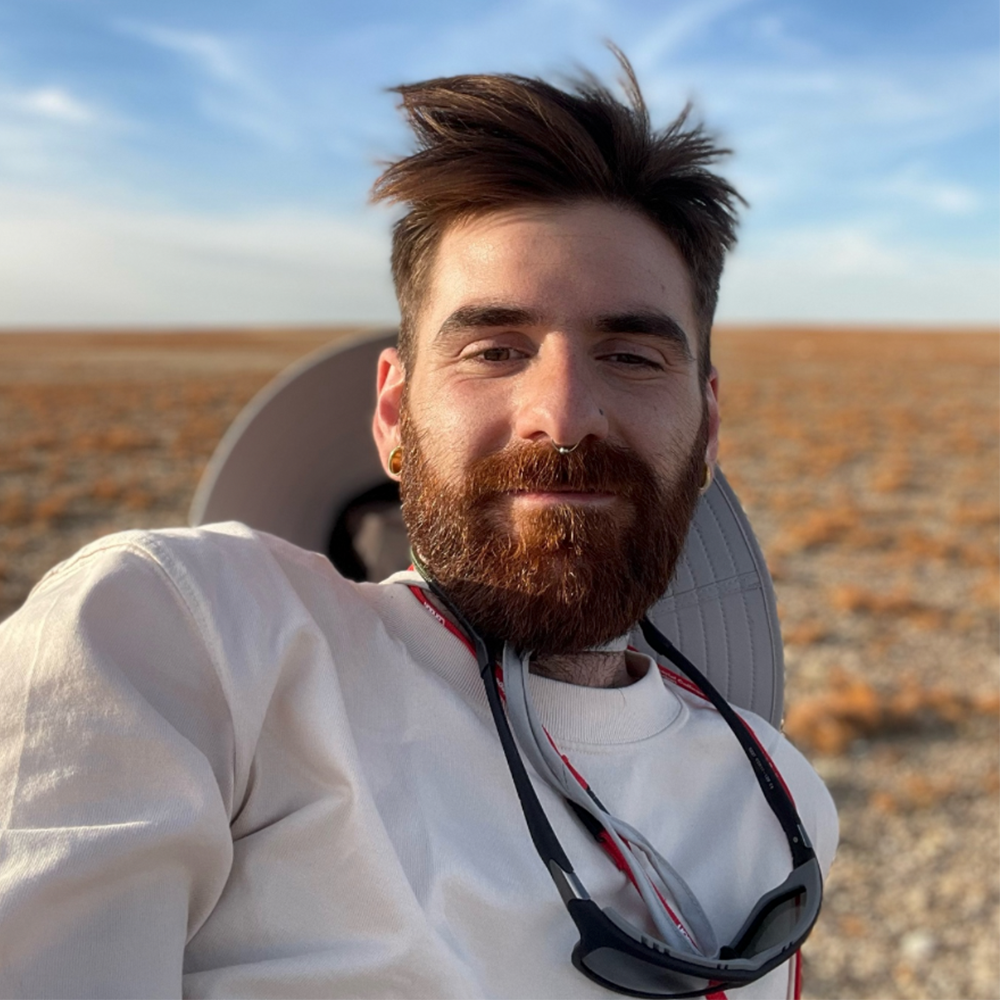
Daniel Stanton
University of Minnesota, Department of Ecology Evolution and Behavior, USA
Daniel Stanton is an Associate Professor at the University of Minnesota, USA. He has degrees in Botany and Biochemistry from the University of Wisconsin-Madison, and a PhD in Ecology and Evolutionary Biology from Princeton University, as well as postdoctoral research at the Australian National University.
Lichen ecophysiology in a changing world: insights from ecosystem ecology
There has been growing interest and understanding of lichen responses to changing climates, aided by technical advances in physiological techniques and ecological data. At the same time, our view of the lichen thallus is becoming increasingly complex and nuanced. Photobiont communities are increasingly understood to be diverse, even within a single thallus. That the complex structures of lichen thalli harbor additional organisms beyond the canonical 2 (or 3), and even micro/mesofauna, has been long understood, however those additional components have gained additional importance with recent studies suggesting functional roles for some commonly occurring taxa.
In this talk I will focus on recent advances in how this nuanced perception of lichens impacts our understanding of lichen responses to climate. These include asymmetric and asynchronous responses to environmental changes across bionts at different timescales. Notably, fungal and algal primary symbionts activate separately depending on the water sources, with consequences for carbon balance that can affect survival. On longer timescales, the identities of the component organisms are dynamic and physiologically consequential. There have been recent efforts to emphasize the “ecosystem” nature of lichens; the conceptual frameworks and theory developed over a century by ecosystem ecologist offer novel hypotheses and research directions for lichenology.
Friday 21 July 2026
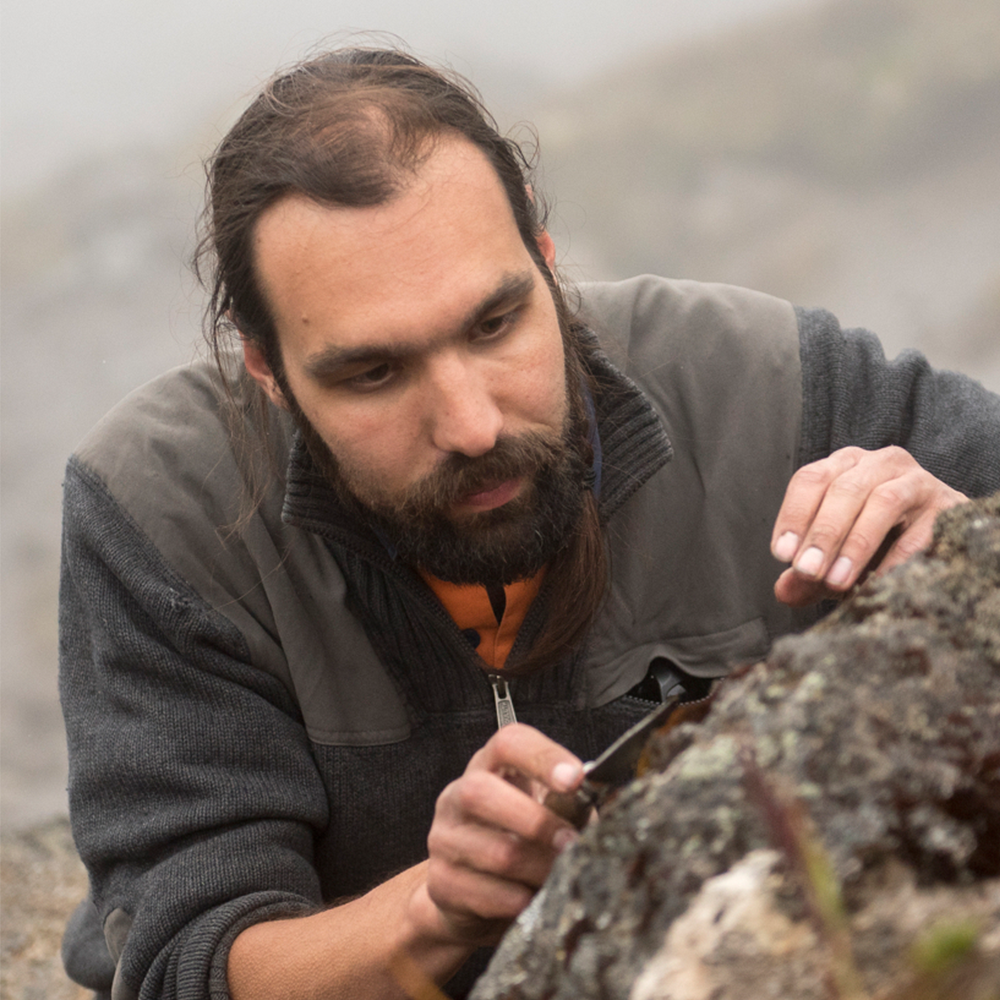
Gulnara Tagirdzhanova
The Sainsbury Laboratory, Norwich Research Park, UK
Stockholm University, Department of Ecology, Environment and Plant Sciences, Sweden
Gulnara Tagirdzhanova is an Assistant Professor at Stockholm University (Sweden). Prior to that, she was a postdoc at Stockholm University and in The Sainsbury Laboratory (UK). Gulnara received her PhD in 2022 from the University of Alberta (Canada). Her research focuses on the interaction between lichen symbionts and on diversity of lichen-associate organisms.
Proteins secreted by the mycobiont of Xanthoria parietina and their role in the lichen symbiosis
Gulnara Tagirdzhanova1,2*, Jasper Raistrick2, Benjamin Adjei2, Camille Puginier2, Nicholas J. Talbot2
1 The Sainsbury Laboratory, Norwich Research Park, Norwich NR4 7UH, UK.
2 Stockholm University, Department of Ecology, Environment and Plant Sciences, Stockholm 106 91, Sweden.
Lichens present a unique case of complex and stable architectures emerging from interactions between multiple symbionts. The concerted growth of symbionts within a lichen body implies some form of coordination, yet the molecular mechanisms behind the lichen symbiont interactions remain largely unknown, in part owing to multiple challenges lichens pose as a study organism. Secreted proteins known as effectors are often used by non-lichen fungi to mediate interactions with their symbionts and hosts. Here, we aimed to characterize secreted proteins of the Xanthoria parietina mycobiont and investigate the role they play in the symbiosis. We identified genes encoding secreted proteins in the mycobiont genome, predicted their secondary structures using AlphaFold, clustered them, and compared them to previously characterized protein structures available in public databases. In this way, we have identified groups of proteins similar to known effectors from phytopathogenic fungi. We explored potential functions of the candidate lichen effectors using a range of bioinformatic and experimental approaches and provide evidence that they may target the chloroplasts of the photobiont partner.